
The Girl Who Came Back
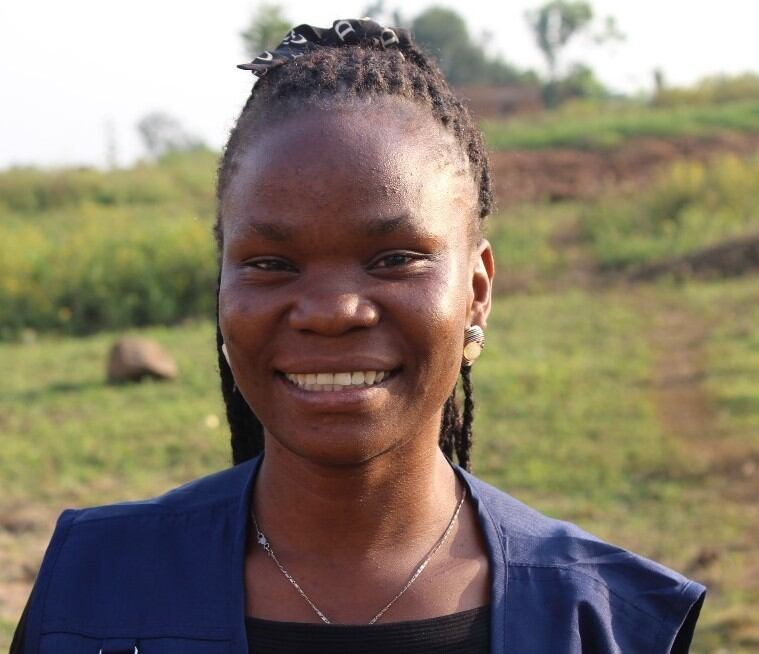
A personal story by Bakoko Gloria, Advocacy and Compliance Officer at Amani Initiative
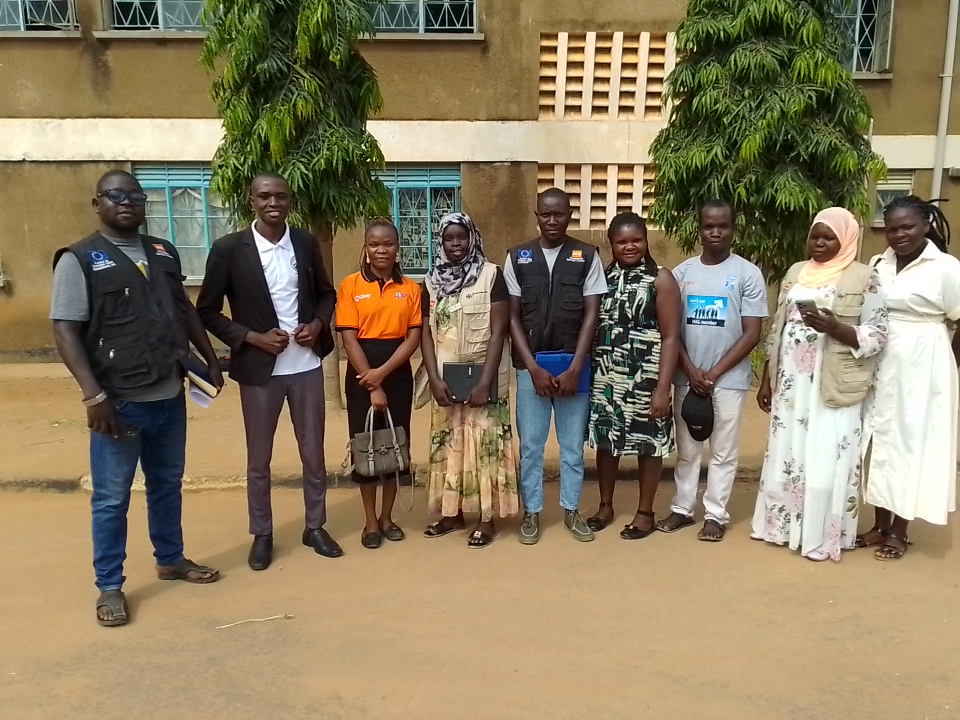
On 6th March 2026, I joined colleagues from the Norwegian Refugee Council (NRC) as lead partner — alongside Amani Initiative, where I serve as Advocacy and Compliance Officer, and fellow partners Red Net, CEFTRA, and SACE — for an education outreach at Arua Public Primary School.
We were there to speak to children about teenage pregnancy, child marriage, menstrual hygiene, and the rights every child in Uganda is entitled to. Over 800 pupils and more than 20 teachers filled the assembly ground that morning. What I did not tell anyone as we prepared to begin was that I already knew this ground. I had stood on it before — not as an advocate, but as a child. Arua Public Primary School is my former school.
I studied here from 2005 to 2011 — seven years, Primary One all the way through to Primary Seven. Walking back through those gates, I felt it all come back at once. The red dust. The particular noise of children gathering for a Friday assembly. The smell of the compound in the early morning. I have conducted many outreach sessions in my work with Amani Initiative, but the moment I stepped onto that ground, something settled differently inside me. This was not just another school visit. This was a homecoming.
“I looked at those faces and I saw myself — the girl I used to be, sitting right where they were sitting, carrying dreams I did not yet know how to name.”
This school gave me more than I realised at the time. I ran on this field during athletics season. I debated on Fridays, learning to stand up, choose a side, and make my voice carry across a room — a skill that sits at the very heart of the advocacy work I do today. My English teacher was the most passionate educator I have ever known. He pushed me every day to read newspapers and novels, to sharpen my spoken English, to never be satisfied with ordinary. That love of reading never left me. Neither did the confidence he poured into me. When I trace the line back to how I ended up fighting for children’s rights, representing Amani Initiative in communities across Northern Uganda, speaking truth to power on behalf of girls who cannot yet speak for themselves — it leads right back here. To these classrooms. To that teacher. To this ground.
And that made what I had come to say feel even more urgent. Because the challenges I spoke about that morning are not distant problems. They are the realities facing children in communities exactly like this one. In Uganda, 34% of girls are married before their 18th birthday. 1 in 4 teenage girls has already begun childbearing, and teenage pregnancy is the leading cause of death for girls aged 15 to 19 in this country. More than 30,000 girls become pregnant every single month. These are not numbers from somewhere far away. They are about girls who sit in assemblies just like this one, in schools just like this one, with futures that can still go either way.
The Reality for Girls in Uganda
When it was my turn to speak, I put the programme notes aside. I told them my story instead. I told them about growing up in this school, about the teacher who refused to let me be ordinary, about what education opened up for me that nothing else could have. I spoke about what Amani Initiative does — showing up in communities before harmful practices take root, equipping young people with knowledge of their rights, and walking alongside those who need guidance. I explained, as honestly as I could, what peer pressure, poverty, and silence can steal from a young person. And I told them that their current circumstances were not their final answer.
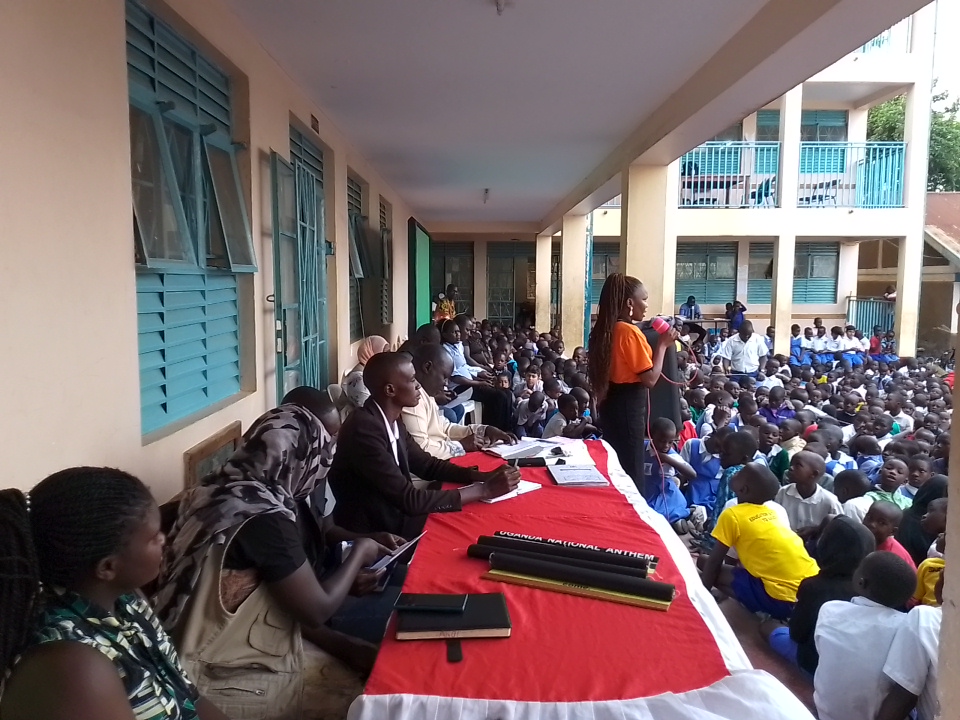
Then something shifted. Word moved through the assembly — quietly at first, then with unmistakable excitement — that I had studied at this very school. That the woman at the front, the one from Amani Initiative, had once sat exactly where they were sitting. I watched it travel across their faces. And the distance between who I was and who they could become simply disappeared.
When I heard those words, I had to take a breath. That is exactly why Amani Initiative does this work. Not just to inform — but to make a child believe. The moment someone looks at you and thinks if she could, maybe I can too — that thought can change the entire direction of a life.
I left that morning with my heart full and a standing invitation from the school administration — for Amani Initiative to return for continued mentorship sessions, and for me personally, as an Old Girl, to come back regularly to the assemblies. One outreach became a relationship. One morning became a beginning. That school gave me a foundation decades ago. Coming back gave me the privilege of helping to build the same foundation for the children still sitting in those classrooms — and reminded me, more powerfully than I expected, why this work is worth everything we give to it.
“Their circumstances do not define their future. With education, with guidance, and with people who believe in them before they believe in themselves — they too can write a different story.”
Amani Initiative — Rooted in Community, Committed to Change
Amani Initiative works at the intersection of advocacy, child protection, and community empowerment across Northern Uganda. We believe the most powerful change happens when communities see their own people — shaped by the same schools, the same streets, the same lived realities — standing up for children’s rights. Gloria’s return to Arua Public Primary School is not an exception to how we work. It is exactly how we work.
This outreach reached over 800 children in a single morning, and the school has already invited us back. Every moment a child thinks maybe I can too is made possible by the partnerships and funding that keep Amani Initiative present in communities. Your investment sends people like Gloria back to the schools that shaped them — so the next generation gets the same chance she did.
Every Girl Deserves a Full Story
No girl’s story should end in a classroom she was forced to leave. With the right investment, the right partners, and advocates who truly belong in the communities they serve — change is not just possible. It is already happening. Partner with Amani Initiative to keep it going.
References
- Joy for Children Uganda (2024). Child Marriage in Uganda: Legal and Policy Gaps. Citing UNICEF 2020. joyforchildren.org
- Uganda Bureau of Statistics (UBOS) (2022). Uganda Demographic and Health Survey 2022.
- UNICEF Uganda (2023/24). Uganda Annual Health Sector Performance Report. unicef.org/uganda
- UNFPA Uganda (2021). The Cost of Inaction on Teenage Pregnancy. uganda.unfpa.org