
How a school feeding program is changing the story of 1800 learners
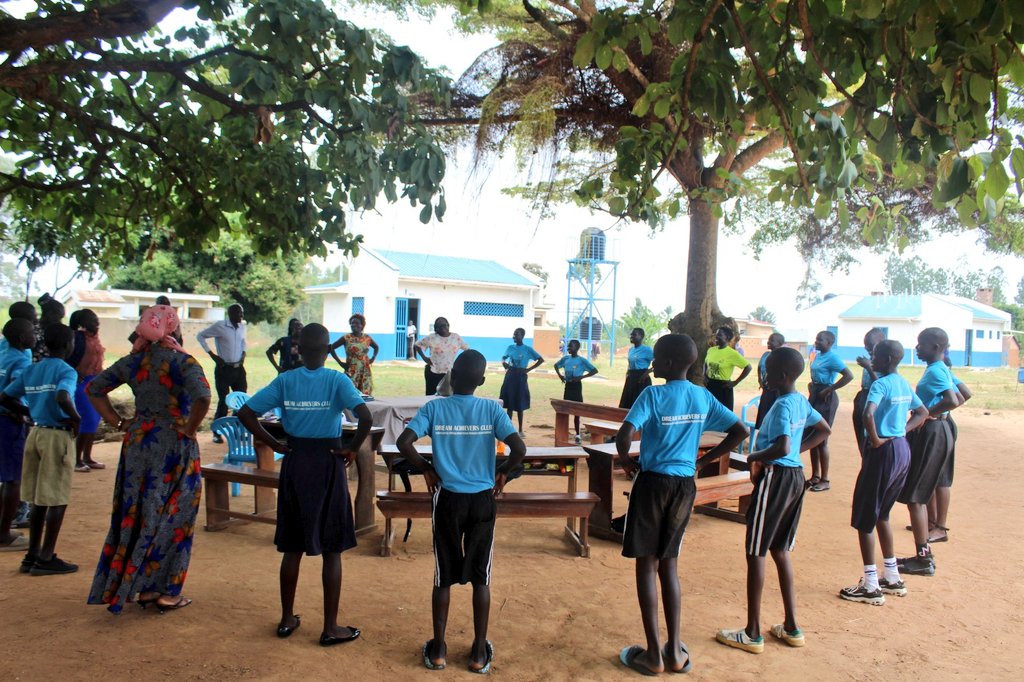
More than 500 kilometers from Kampala, in the rural heart of Kijomoro Sub-County, Oribani Primary School stands as a beacon of hope for over 1,800 learners.
Each morning, children arrive in their uniforms some after walking long distances ready to learn under Uganda’s Universal Primary Education (UPE) program. Their dreams are bold: to complete primary school, transition to secondary education, and build brighter futures for themselves and their families.
Yet for years, one silent obstacle stood in their way hunger.
Under UPE, the government provides a capitation grant of UGX 17,000 per child per year—approximately USD 4.50 annually, or about USD 1.50 per term. While this funding supports operational costs, it does not include school meals.
For many families in Kijomoro Sub-County and other communities within Uganda, providing food for children during the school day is simply not possible. As a result, learners frequently missed school when there was no food at home. Others left at lunchtime in search of something to eat and failed to return. Many remained in class but struggled to concentrate due to hunger.
Over time, absenteeism increased. Academic performance declined. Dropout rates rose before learners could complete the primary cycle.
Research across low-income communities shows that school feeding programs can increase attendance by up to 8–9% and significantly improve retention and completion rates. At Oribani, hunger was not just a welfare issue—it was directly affecting educational outcomes.
Girls faced additional risks. Long lunch breaks outside school exposed them to unsafe situations, increasing vulnerability and the likelihood of early pregnancy and school dropout. Hunger was shaping life trajectories.
A Community Steps Forward
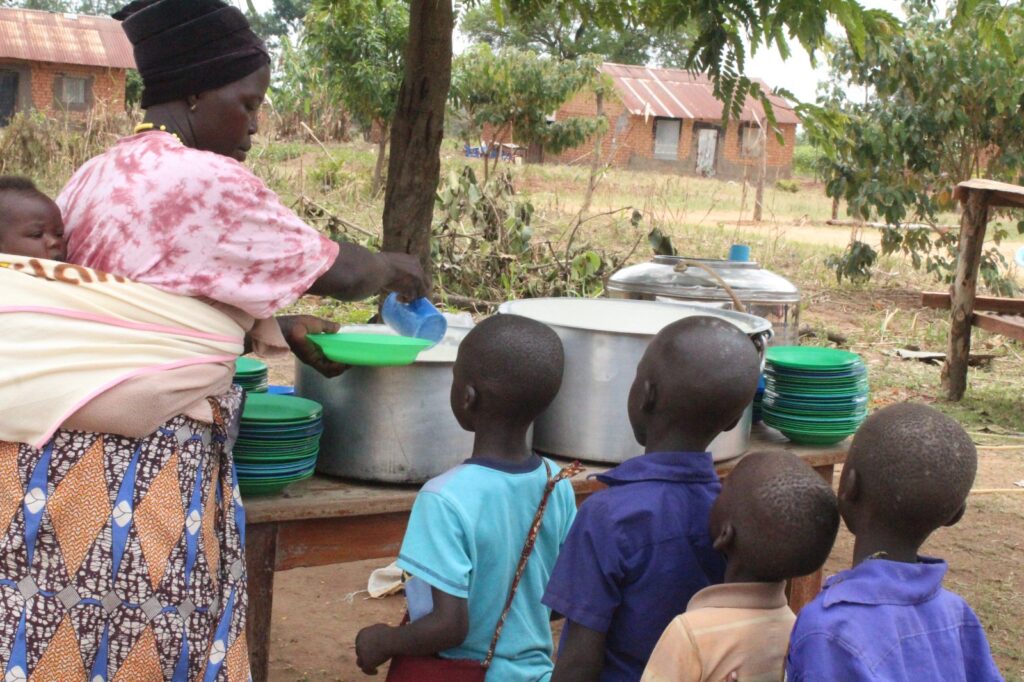
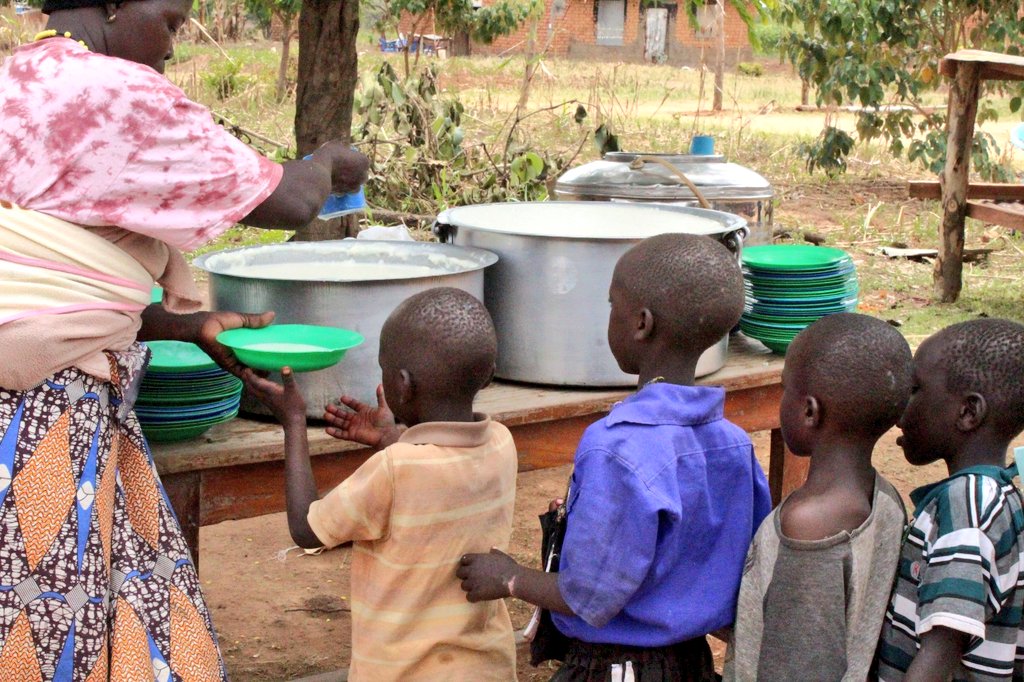
Rather than accept this reality, the leadership of Oribani Primary School took action. Through collaboration between the School Management Committee, the PTA, and the Old Boys and Old Girls Association (alumni), a community-supported school feeding program was launched.
The cost to feed 1,800 learners for one 65-day school term is UGX 6,700,000—approximately USD 1,800. That translates to roughly USD 1 per child per term for consistent daily meals.
Parents contribute firewood and in-kind support. Alumni mobilize financial contributions. Community members participate in oversight. The solution belongs to the people it serves.
How the Feeding Program Is Managed
What makes the Oribani model particularly powerful is its structured and transparent management.
The program is overseen by the school administration in collaboration with a dedicated feeding sub-committee drawn from the School Management Committee and PTA. Financial contributions are documented and reviewed during meetings to ensure accountability and transparency.
Food is procured locally, supporting nearby suppliers while reducing transport costs. Bulk purchases are made at the beginning of each term to protect against price fluctuations and ensure steady supply. Designated cooks prepare meals on-site using firewood provided by parents. Teachers supervise meal distribution, ensuring order, hygiene, and safety.
Attendance records are closely monitored to assess impact, and teachers provide feedback on learner concentration and participation. The system is simple, community-owned, and results-driven.
This is not charity it is coordinated local leadership in action.
“We Are Seeing a Difference”
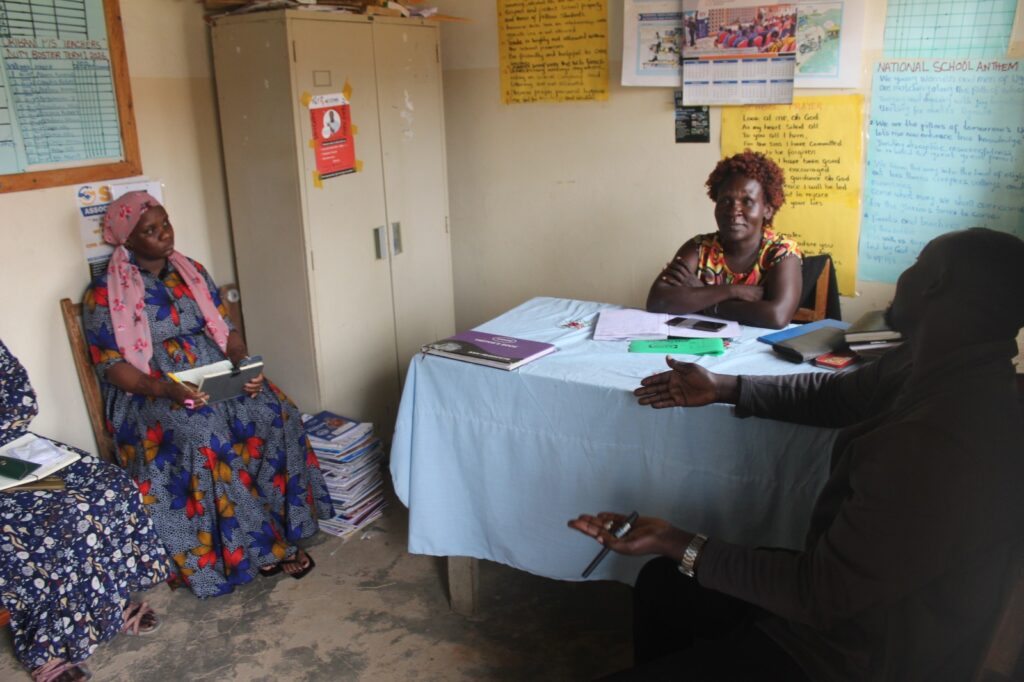
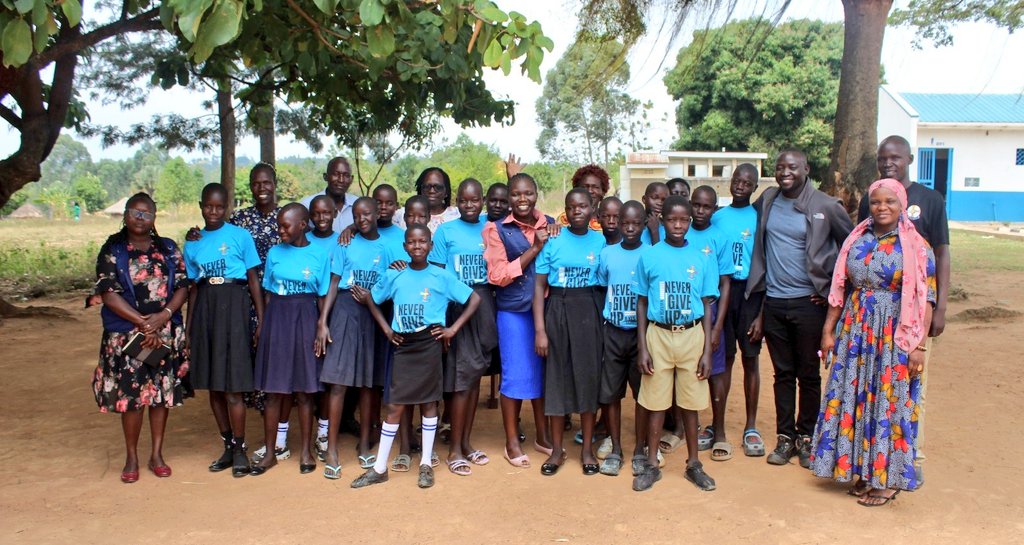
Deputy Headteacher Ajuru Dorcus has witnessed the transformation firsthand.
“Before the feeding program, many learners would disappear at lunchtime and some would not return. Others sat in class tired and unable to concentrate. Now, we see learners staying in school the whole day. They are more active, more attentive, and more hopeful,” she explains.
“Attendance has improved, and teachers report better participation. For us, this is not just about food—it is about restoring dignity and giving our children a fair chance to complete their education.”
For the school leadership, the connection between nutrition and performance is undeniable.
A Learner’s Voice of Hope
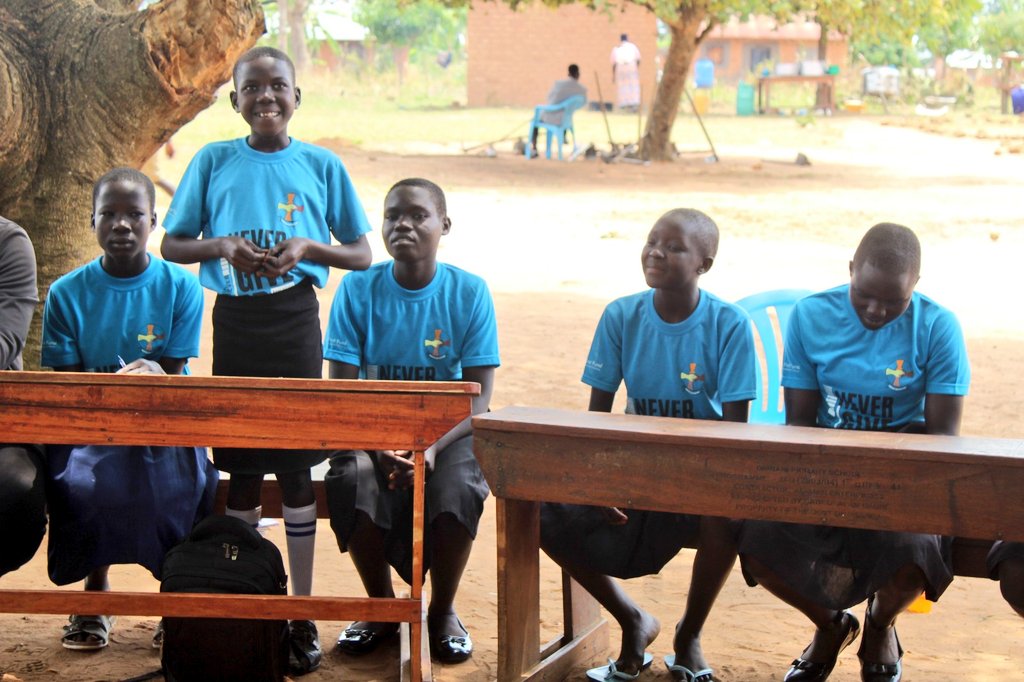
The most powerful evidence comes from the learners themselves.
A Primary Six pupil shares, “Before, when I felt very hungry, I would think about going home. Sometimes I could not understand what the teacher was teaching. Now we eat at school, and I can stay the whole day. I want to finish Primary Seven and continue to secondary school.”
In those words, lies the true impact of the program. A simple meal has become the difference between leaving and staying. Between falling behind and moving forward.
A Model Ready to Scale
Oribani Primary School is one of Amani Initiative’s 20 partner schools under the Empowered Voices Project, supported through the Girls First Fund. The success of this community-led feeding program has inspired a broader vision.
Amani now aims to scale this model to 19 additional partner schools in the region.
The investment case is compelling. USD 1,800 feeds one school for one term. USD 36,000 can support feeding programs in 20 schools for a full term. The return on that investment includes improved attendance, stronger retention, better academic outcomes, increased protection for vulnerable girls, and strengthened community ownership of education.
An Invitation to Transform Futures
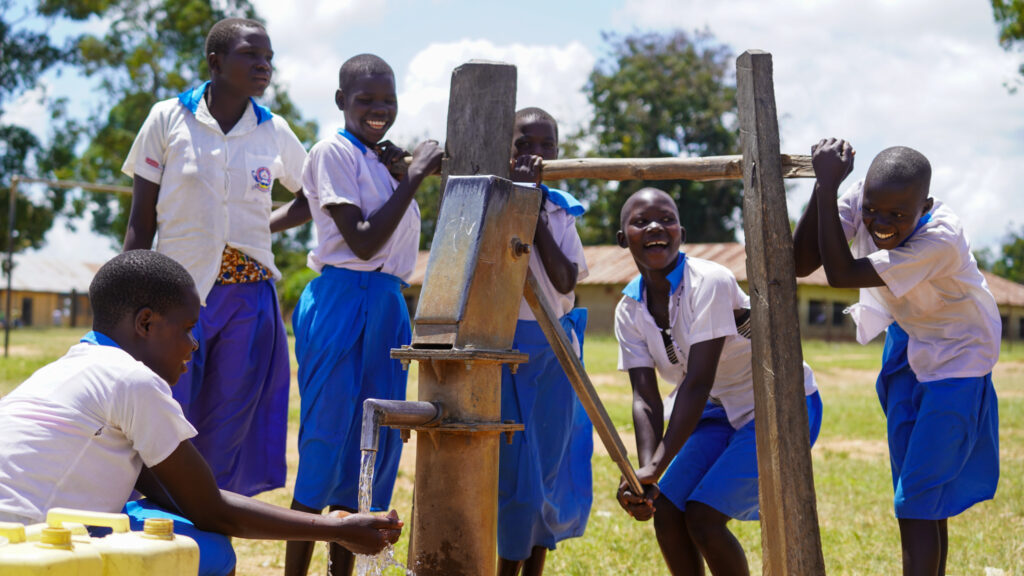
Deputy Headteacher Ajuru Dorcus summarizes it best: “We have seen what is possible when a community comes together. With more partners, we can ensure that no child at Oribani or in the other schools has to choose between hunger and education.”
The invitation is open. Support a school. Sponsor a term. Invest in 1,800 futures multiplied across 20 communities.
Because sometimes, the most powerful intervention in education begins with something as simple and as profound as a daily meal.
To partner or donate towards the School Feeding Program at Amani Initiative send an email to info@amaniinitiative.org