Completed projects
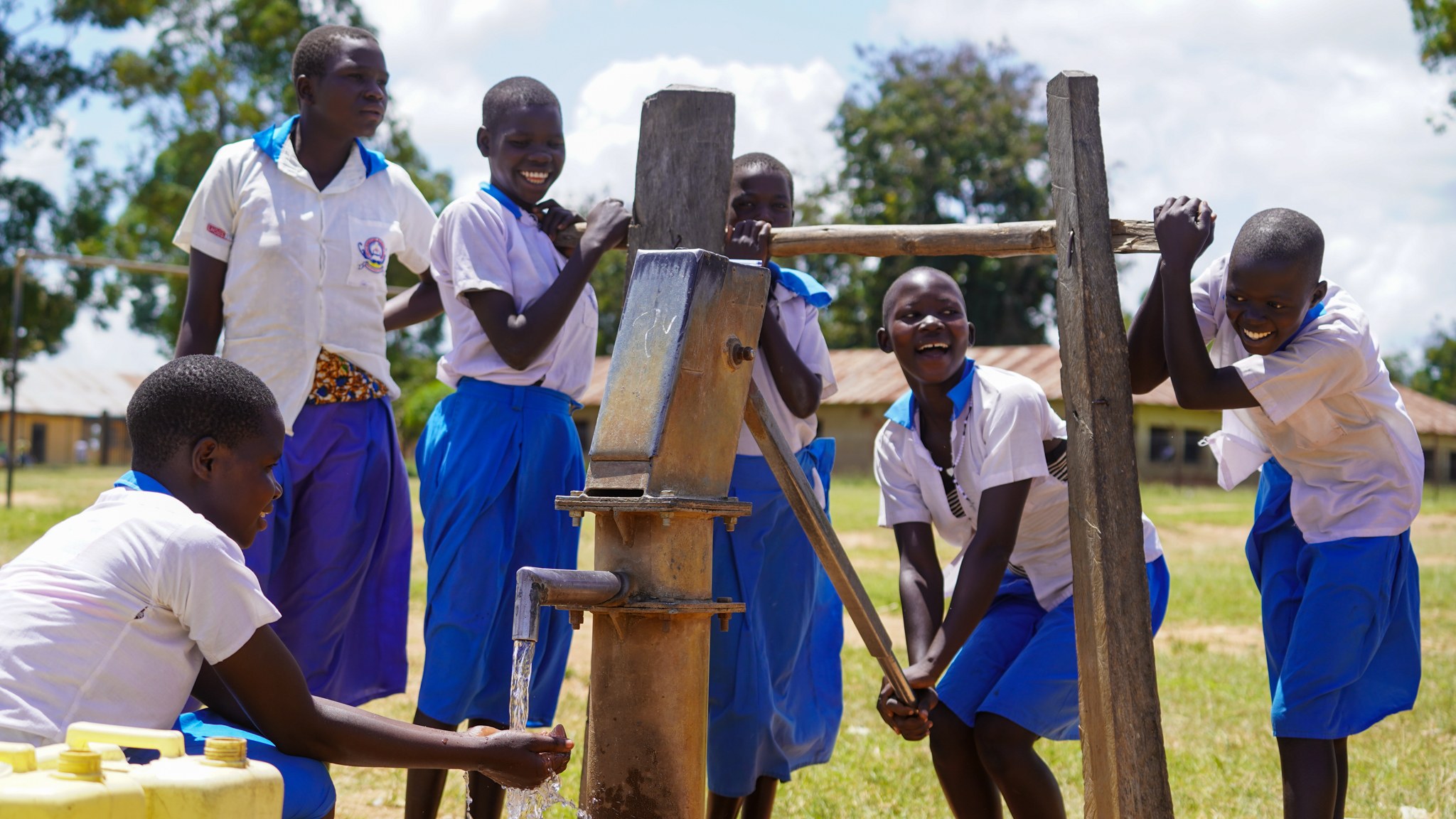
Beyond schools, community demonstration sessions were held, and budget monitoring and expenditure tracking ensured sub-national WASH and nutrition allocations were used effectively.
A CSO advocacy group was also formed to sustain local advocacy efforts. By embedding advocacy skills in schools, communities, and civil society, Right2Grow created a lasting network of teachers, students, and community members equipped to promote behavioral change and ensure long-term improvements in nutrition and hygiene outcomes across Maracha District.
West Nile HIV Project – Advancing Epidemic Control
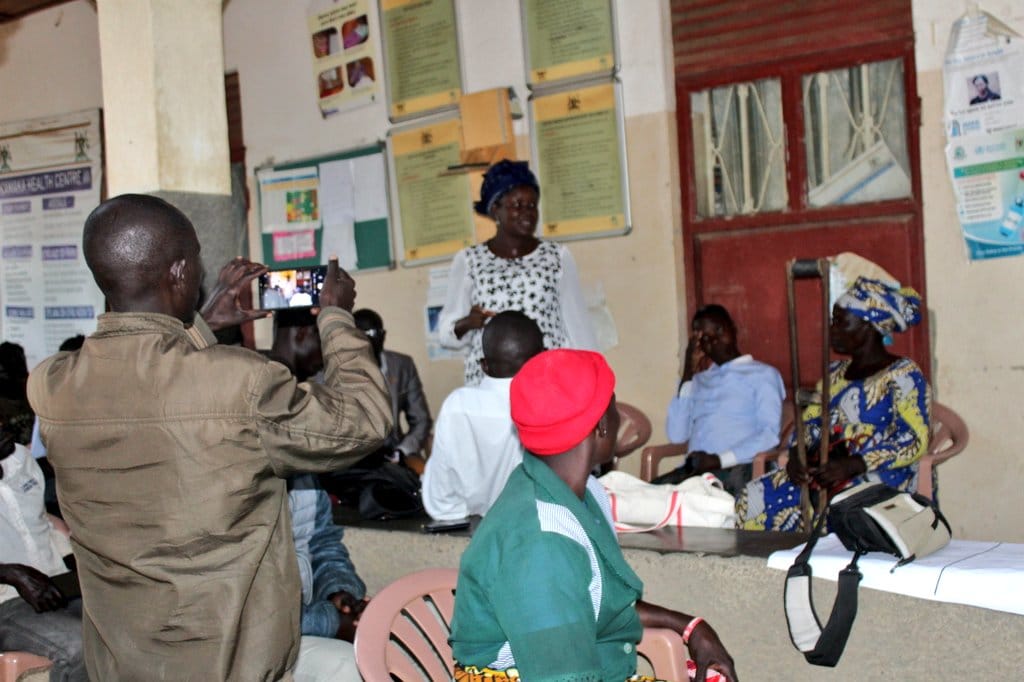
From 2021 to 2025, the West Nile HIV Project, supported by the CDC and Infectious Disease Institute, worked in Maracha District to strengthen HIV prevention, care, and treatment. Implemented across 10 health facilities, the project aimed to achieve the UNAIDS 95:95:95 targets through improved service delivery and community engagement.
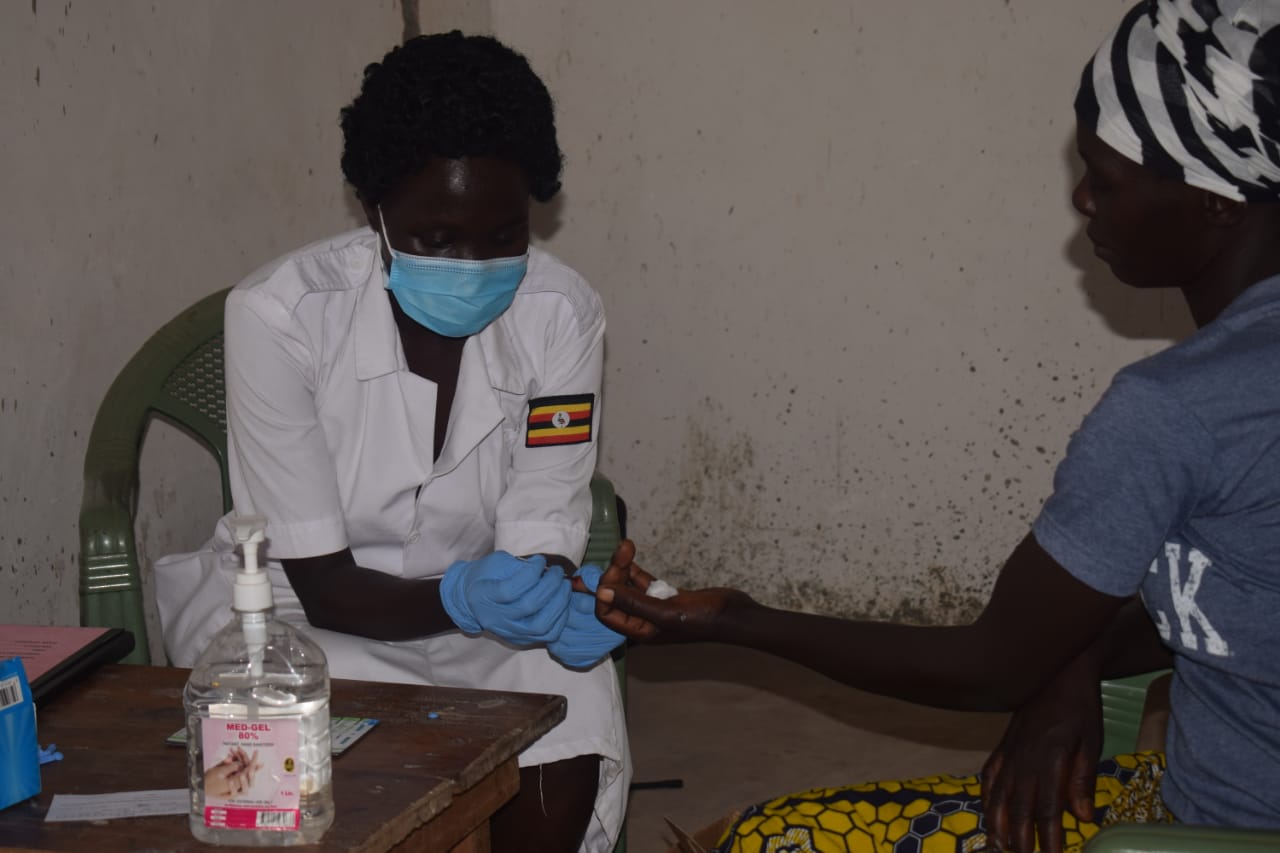
Key interventions included HIV and TB testing, follow-up of lost clients, community-facility linkages, household TB screening, and home-based care for non-suppressed clients. Targeted outreach focused on men (25+) and women (50+), increasing awareness and adherence to treatment.
Over the project period, Amani Initiative reached over 480 households, conducted over 1,080 home visits, and made 3,240 community referrals. By integrating community and facility approaches, the project enhanced testing, treatment, and support services—empowering communities, strengthening health systems, and driving lasting progress toward HIV epidemic control in West Nile.
Connected Women Project
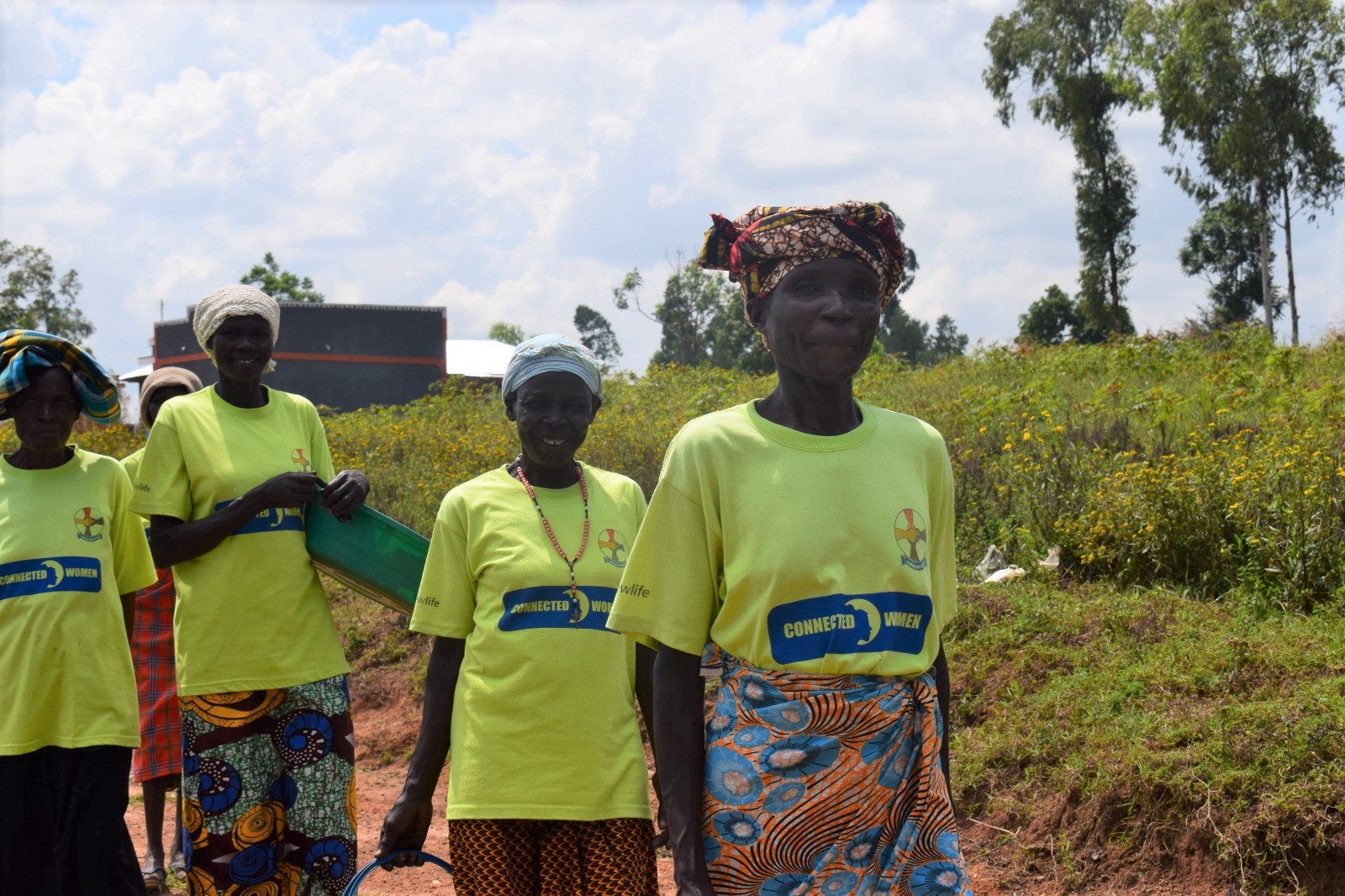
The Connected Women Project (Nov 2020 – Oct 2021), funded by the King Baudouin Foundation, empowered 302 at-risk girls and women across Maracha, Arua City, Arua, and Terego Districts by bridging the digital and gender divide.
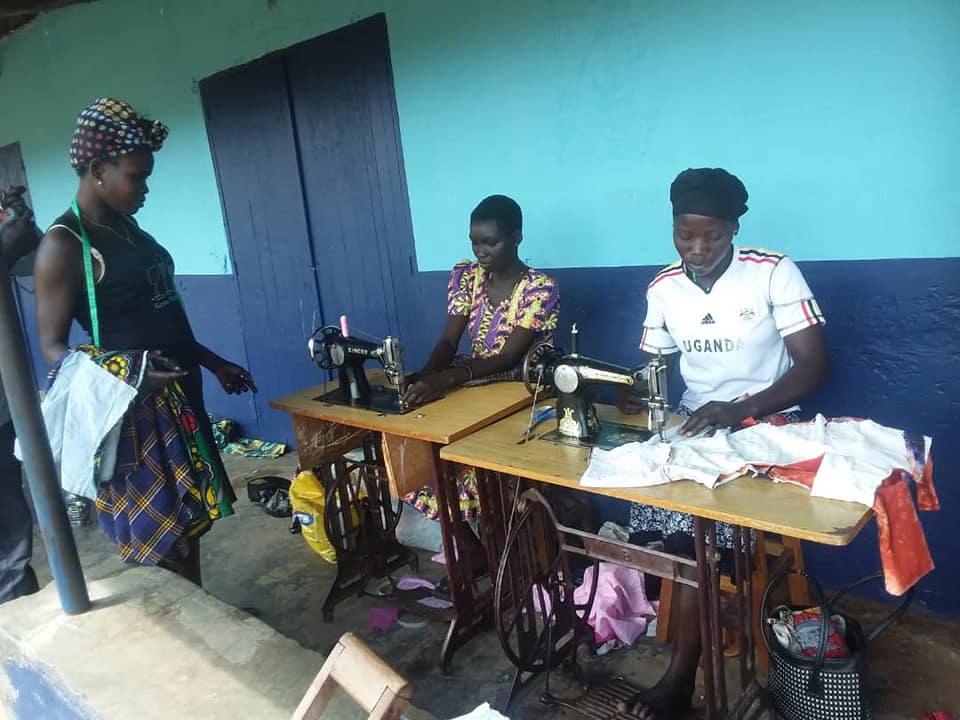
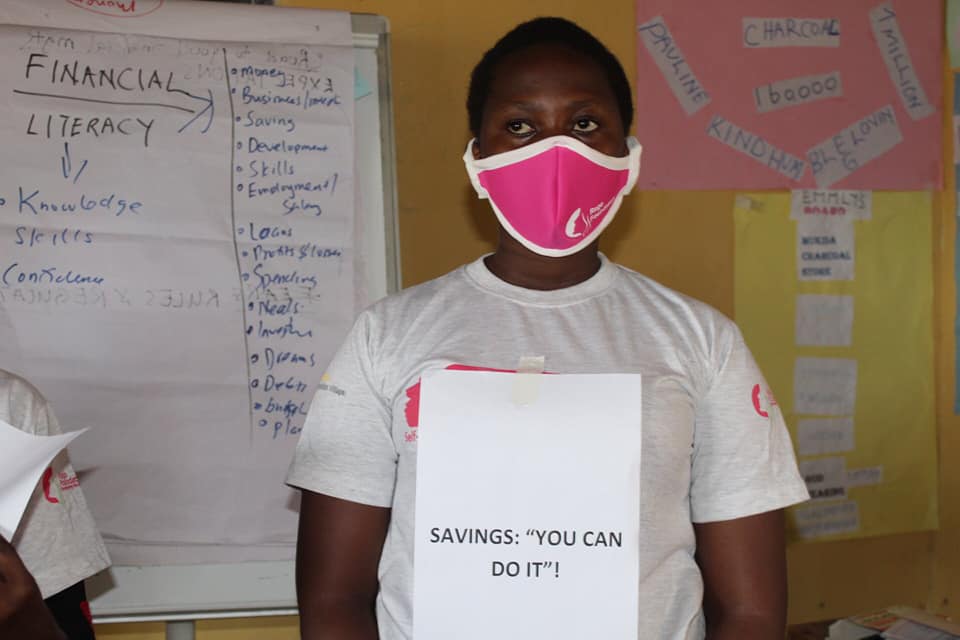
Through access to mobile phones, digital literacy, and training in leadership, social protection, entrepreneurship, and financial management, participants formed 15 self-supporting groups, collectively saving €10,512.6. Mobile technology became a lifeline—enhancing communication, business management, and financial inclusion.
Families and spouses were engaged to promote community support and challenge bias around women’s tech use. Women also learned to report child abuse and gender-based violence through free helplines and advocacy campaigns in local languages.
By connecting digital inclusion with economic empowerment, Connected Women built confidence, resilience, and lasting opportunities for young women and their communities.
Amplified Community Action Against Teenage Pregnancy and Child Marriage (ACAA-TPCM) Project
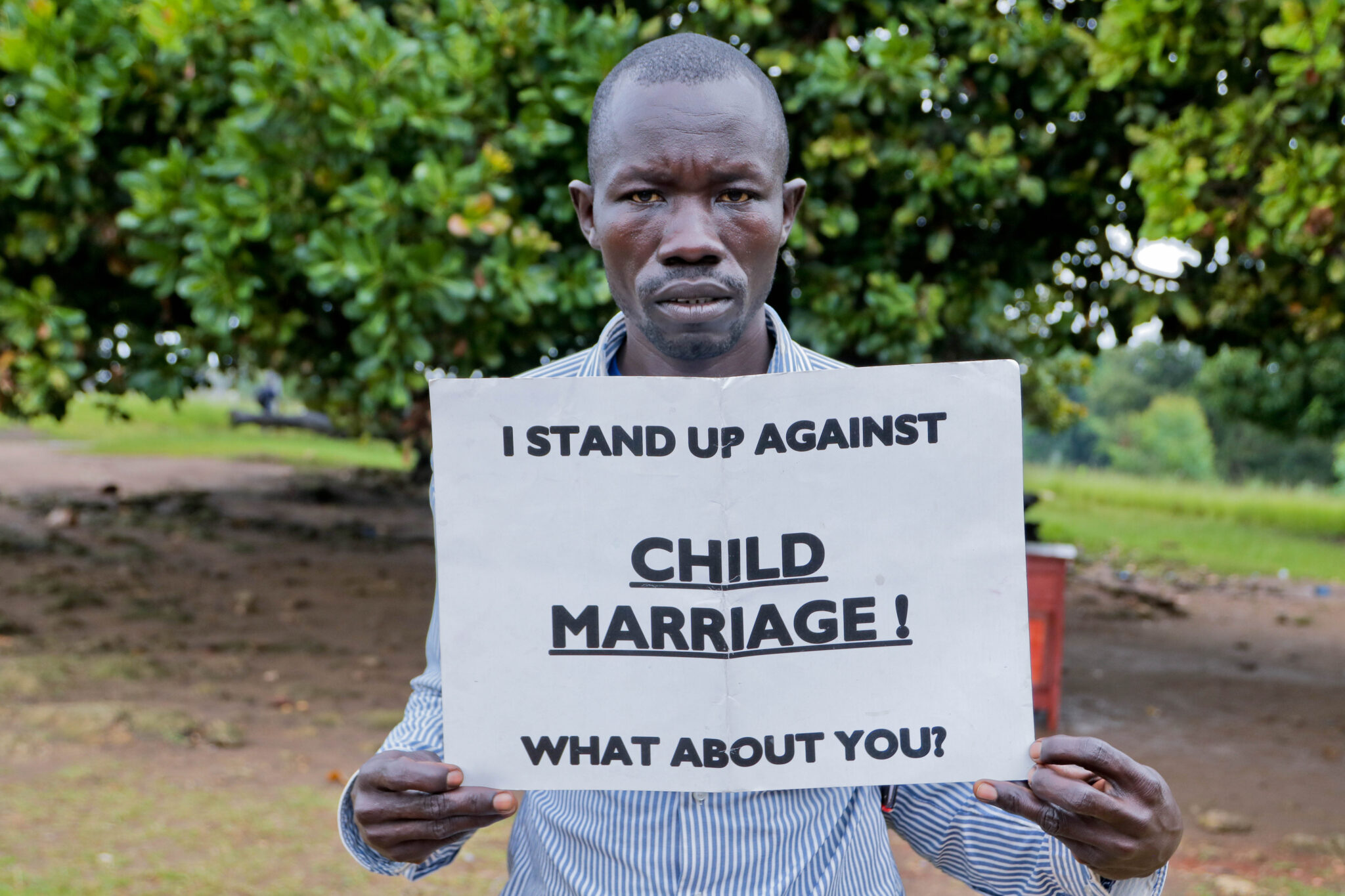
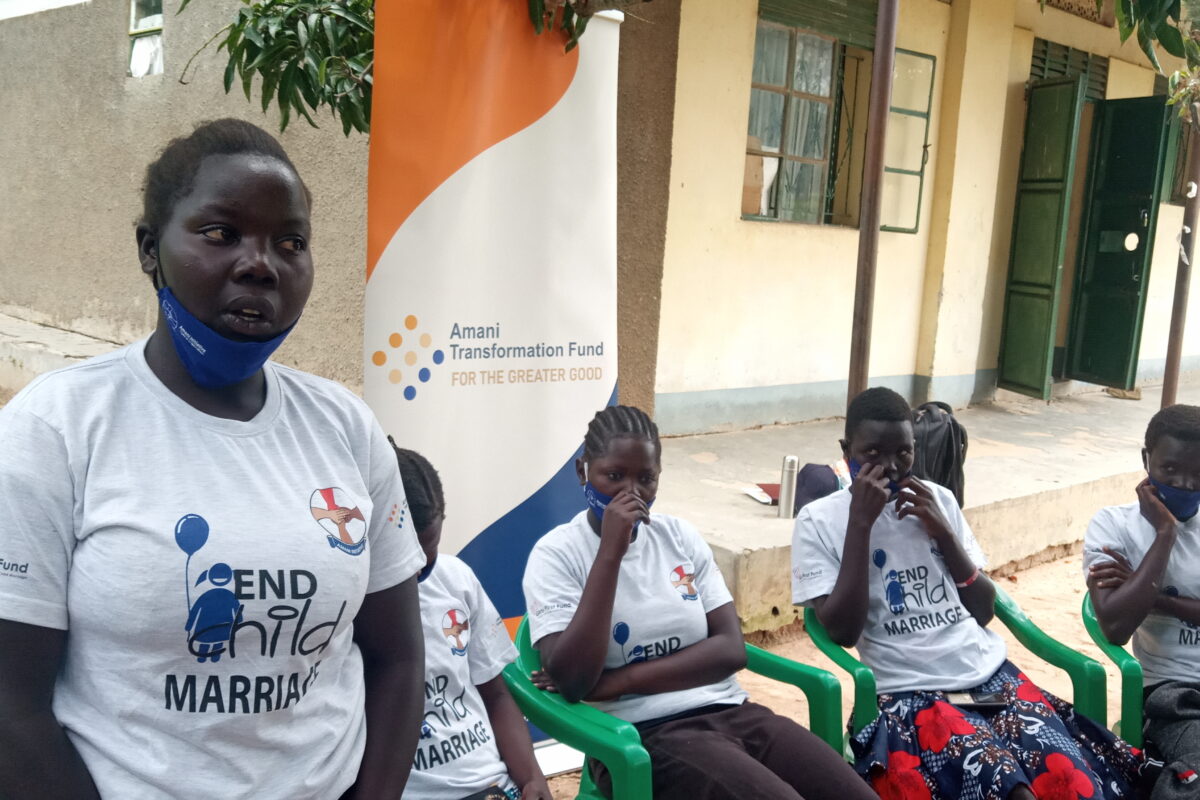
The ACAA-TPCM Project (June 2020 – June 2022), funded by Capital for Good through the Girls First Fund, empowered communities in Maracha and Arua Districts to combat teenage pregnancy and child marriage.
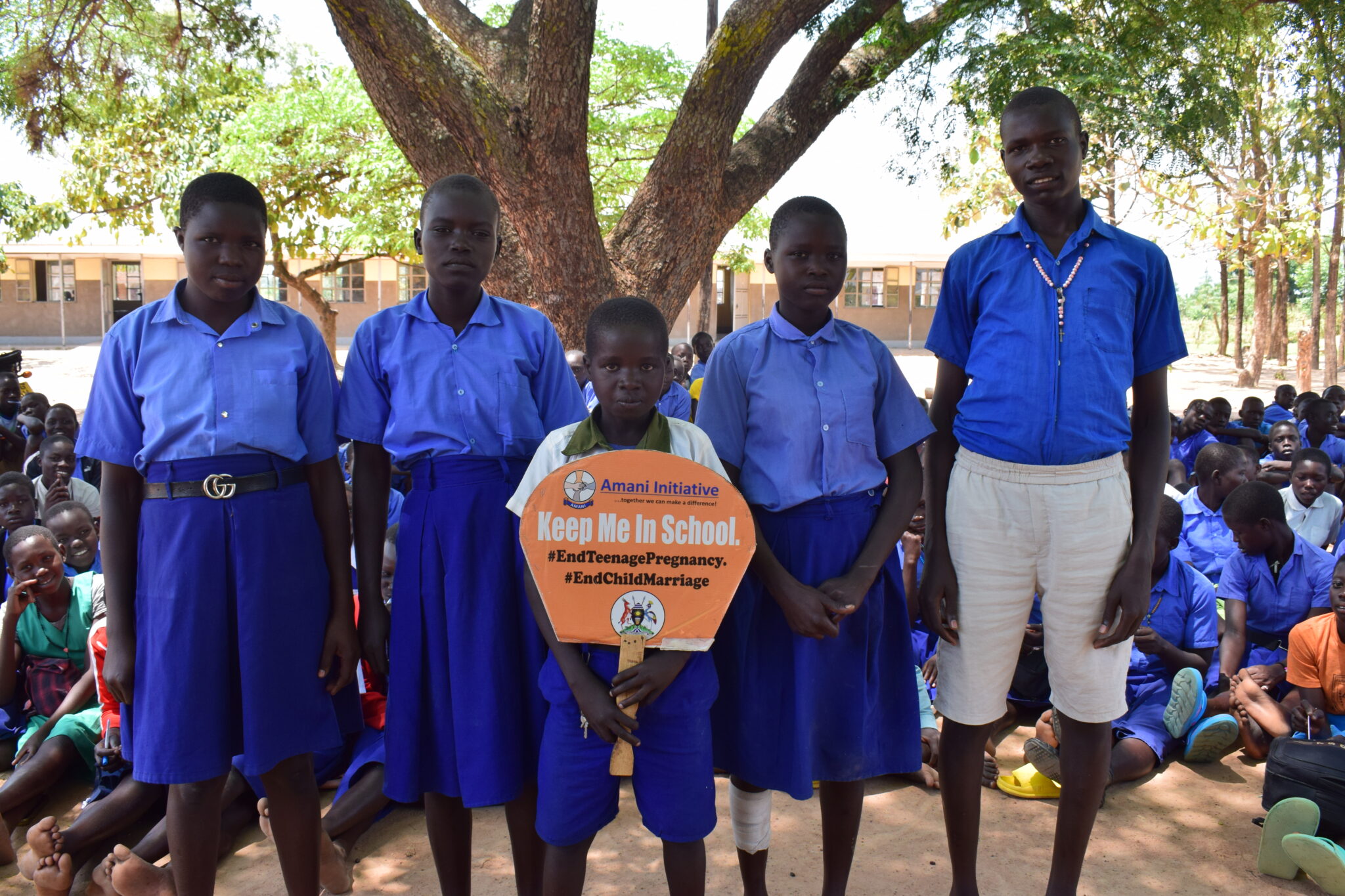
By establishing community and school taskforces, the project united parents, leaders, teachers, and police as change agents to challenge harmful norms. Through awareness campaigns and training, it reached 1,600 school children, 960 parents, and 320 community members with knowledge on positive parenting and SRHR
The project supported 80 child mothers with safe spaces, financial literacy, and entrepreneurship skills, and helped 32 schools develop child protection policies. By combining community empowerment, education, and economic inclusion, ACAA-TPCM built safer, informed, and resilient communities where girls can learn, lead, and thrive free from early marriage and teenage pregnancy.
Community Skyrocket Project
The Community Skyrocket Project (Oct–Dec 2020), funded by the Learning Spark Fund in partnership with Joy for Children Uganda, explored community knowledge and practices around adolescent sexuality and child marriage across Maracha, Terego, and Arua Districts.
Engaging 144 participants—adolescents, parents, leaders, and government officials—the project uncovered key barriers, including limited SRHR information, weakened cultural norms, poverty, and fear of political backlash. Adolescents revealed the stigma surrounding open conversations about sexuality, while parents and leaders cited economic and traditional challenges to protecting children.
Findings called for culturally sensitive, multilingual interventions, stronger community taskforces, and greater parental engagement. By capturing diverse community perspectives, the project generated actionable insights to inform future advocacy and design of child marriage prevention programs—empowering young people to make informed choices and lead change within their communities.
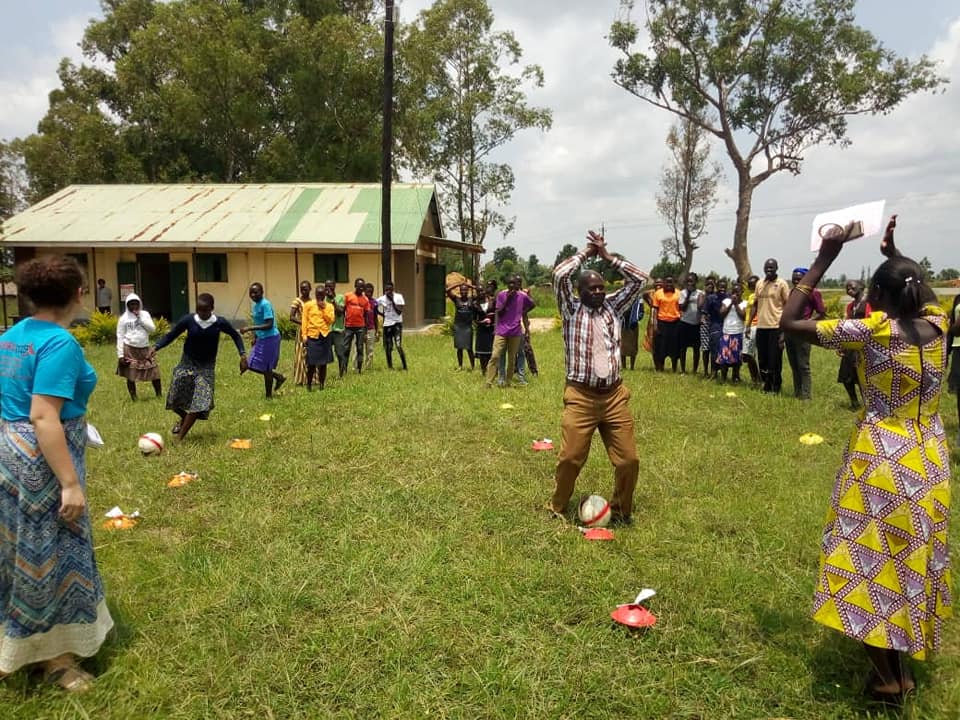
The Grassroots Soccer Project (Dec 2019 – Dec 2020), funded by Peace Corps Uganda and individual contributors, empowered young people in Maracha and Arua Districts through the power of sport. Using the Grassroots Soccer (GRS) curriculum, the project combined soccer and education to teach adolescents about HIV/AIDS, sexual and reproductive health, healthy relationships, and life skills.
11 teachers, community members, and health workers were trained as GRS coaches and led camps reaching 264 youth with fun, interactive sessions. Guided by Peace Corps volunteers, the program-built confidence, teamwork, and informed decision-making among participants.
By turning play into purpose, the project strengthened community capacity and created a sustainable model where local coaches continue to mentor youth teams, promoting health, education, and empowerment across schools and communities.
Institutional Capacity Building for Effective Community Transformation Project
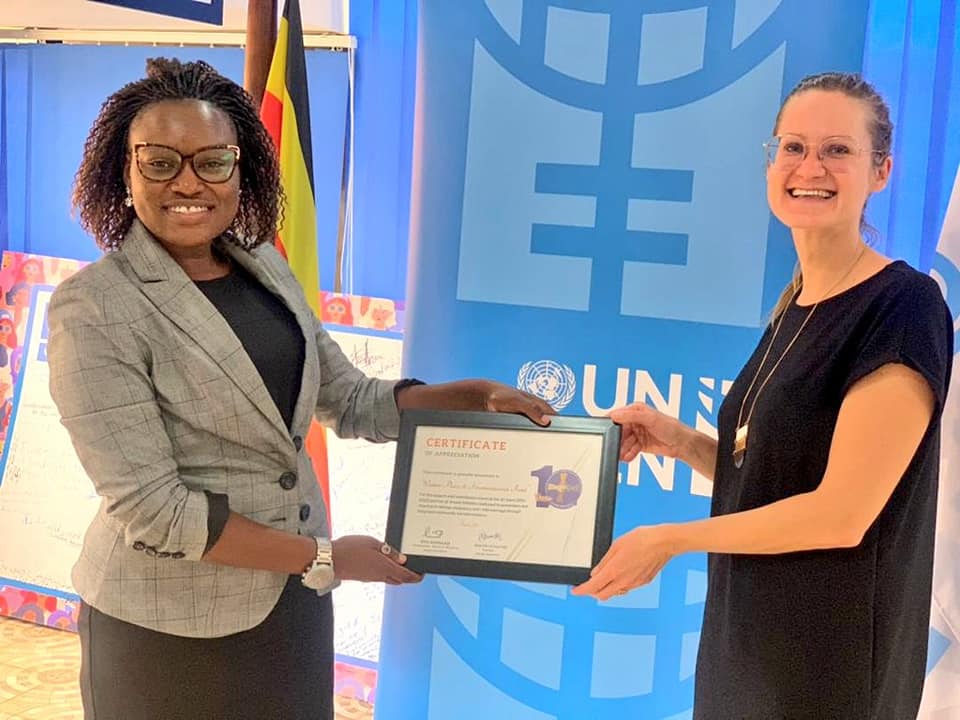
The Institutional Capacity Building Project (Aug 2020 – Oct 2021), funded by the Women Peace and Humanitarian Fund and UN Women, strengthened Amani Initiative and partner organizations across the West Nile Region to better respond to gender-based violence and women’s rights violations.
The project enhanced institutional efficiency through a new Management Information System (MIS) for HR, procurement, finance, and program management. It also equipped staff and community change agents with laptops, smartphones, a camera, motorcycles, and bicycles, enabling effective outreach—even during COVID-19 restrictions.
By developing a resource mobilization strategy and a risk management plan, the project improved organizational resilience and sustainability. These efforts empowered Amani Initiative and its partners to deliver stronger, community-led protection and empowerment services for women and girls in West Nile.
#SheBoss Project
The #SheBoss Project (May – July 2020), funded by the Rego Foundation, empowered 200 young women and adolescent girls in Ggaba, Kampala through financial literacy and microenterprise development.
Implemented by Amani Initiative using its EPALA methodology (Experiential, Participatory, Adult Learning, and Assessment), the six-week program equipped participants with skills in personal finance, savings, debt management, and investment through interactive sessions, case studies, and simulations.
Participants created personal action plans and financial diaries, and accessed RegoNow micro-loans to grow sustainable small businesses. By boosting financial confidence, entrepreneurship, and access to capital, #SheBoss helped young women in informal economies build lasting livelihoods—driving economic independence and community transformation.
Community and District Empowerment for Scale-up (CODES) Project
The CODES Project (2014–2016) was a five-year collaboration led by ACODE, UNICEF, the Ministry of Health, Child Fund International, Liverpool School of Tropical Medicine, and Makerere University School of Public Health, with Amani Initiative supporting local implementation in Arua and Maracha Districts.
The project demonstrated how community engagement and district health system management can improve public health outcomes, particularly in controlling child killer diseases. Amani Initiative led the demand-side component, facilitating community dialogues that empowered over 500 leaders and citizens to identify health challenges and co-create solutions.
Insights from CODES informed national policy on health leadership, human resource management, and service delivery—published in “Assessing the Management and Administration in Public Health Facilities of Uganda” and presented to the Ministry of Health, influencing lasting improvements in Uganda’s public health systems.
Aflateen Social & Financial Education Project
The Aflateen Social and Financial Education Project (2016–2017), funded by the Private Education Development Network (PEDN), was implemented by Amani Initiative in Arua and Maracha Districts to equip young people with the knowledge and skills to make informed financial decisions and build sustainable livelihoods.
Through the internationally recognized Aflateen Curriculum by Aflatoun International, the program reached 3,000 in-school children and 500 out-of-school youth across 30 secondary schools and 5 youth groups. Modules covered personal development, financial management, savings, financial services, and social enterprise creation.
Additionally, 30 teachers were trained in active learning methodologies, enhancing classroom delivery and sustainability. The project empowered youth with practical financial and entrepreneurial skills, encouraging self-confidence, responsible money management, and long-term economic independence.
Step By Step Project
The Step By Step Project (2016), funded by Founder Members and implemented in Arua District, empowers adolescent girls to delay marriage and avoid teenage pregnancy through practical mentorship and life-skills support.
We delivered career guidance, school outreaches, bursaries, and scholastic materials—reaching over 3,000 students across 5 partner schools. Through one-on-one mentoring and group sessions, girls gained confidence, decision-making skills, and clear pathways to education and economic opportunity.
By equipping young people with knowledge, resources, and support, Step By Step helps communities shift norms and gives girls the tools to choose their future—stay in school, pursue careers, and thrive.
Ending Child Marriage in Uganda: A CSO-Led Advocacy Campaign
The Ending Child Marriage Project (2018–2019), implemented by Amani Initiative in Maracha District and funded by Amplify Change via Joy for Children Uganda, targeted areas with the highest prevalence of child marriage: Yivu, Nyadri, Kijomoro, and Oluffe.
The project strengthened CSO capacity, advocated for policy enforcement, and empowered communities through dialogues, media campaigns, and school sensitizations, reaching over 1,500 community members, including youth, parents, religious leaders, and local authorities. Key outcomes included integrating the National Strategy Against Child Marriage into local budgets, enacting by-laws regulating late-night markets, reintegrating child mothers into school, and establishing community reporting mechanisms.
By building awareness, mobilizing champions, and supporting governance, the project strengthened community systems, improved data on at-risk children, and fostered lasting local commitment to ending child marriage—protecting girls and young women in West Nile communities.
Hear Us Out – Voices Against Defilement
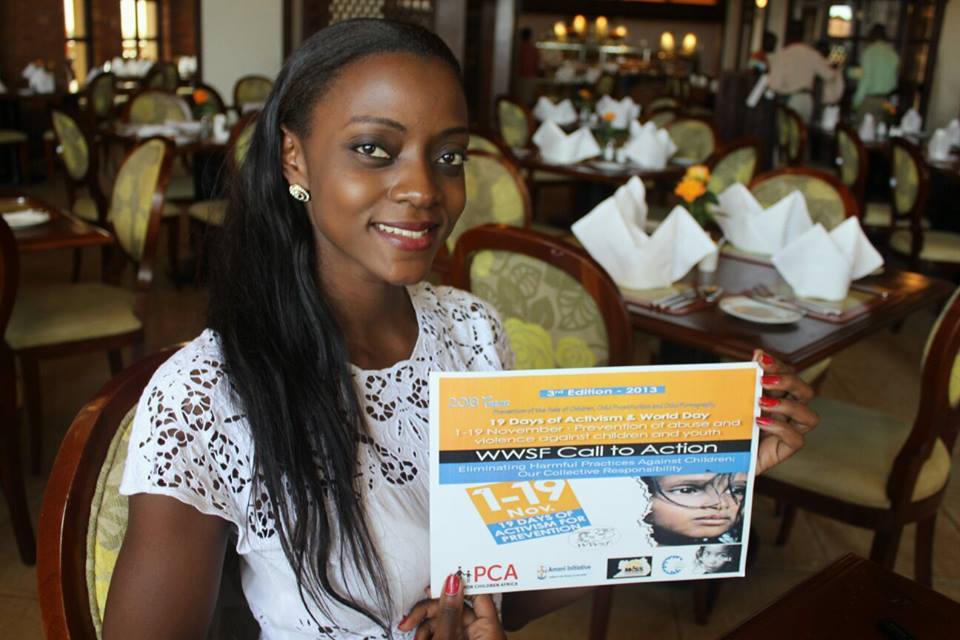
The Hear Us Out Project (Aug–Nov 2013) investigated rising rates of defilement in Uganda, engaging over 2,300 children, policymakers, and community leaders across seven districts. The study revealed that cultural rigidity, poverty, corruption, lack of birth registration, and low legal awareness prevent victims from accessing justice, putting them at heightened risk of psychological trauma and HIV exposure.
Through community sensitization, radio talk shows, essay and poetry competitions, and public engagement events, the project empowered 1,764 young people to advocate against defilement. Parents, religious leaders, local authorities, and the judiciary were also engaged to strengthen awareness and response mechanisms.
The project highlighted urgent needs for policy reforms and societal action, ensuring children are protected, victims receive justice, and communities are equipped to prevent defilement and support survivors.
Prevention and Responding to Child Marriage and Early Unions Project
The Prevention and Responding to Child Marriage Project (May 2019 – May 2020), funded by Capital for Good, empowered girls and communities in Maracha District to prevent child marriage and early unions.
The project supported the formation of two girls’ parliaments and trained 40 peer educators, equipping girls—including in-school, out-of-school, married, teenage mothers, and girls with disabilities—with leadership, advocacy, and awareness skills. They organized debates and school dialogues to identify challenges and propose solutions.
Eight community dialogues engaged parents and stakeholders, while married and at-risk girls received entrepreneurship and hands-on skills training to foster economic independence. The project strengthened girls’ leadership, increased community awareness of child marriage risks, and provided sustainable youth-led advocacy mechanisms. By combining education, empowerment, and community engagement, it created lasting support structures to protect girls and enable them to thrive.
Tualu Ama Ecora Campaign
The Tualu Ama Ecora Campaign, implemented by Amani Initiative in partnership with the West Nile Youth Empowerment Center and other CSOs in Arua District, mobilized communities to respond to the COVID-19 pandemic. Launched under the motto “Act Now, Reach Out, Speak Out”—meaning “Together We Can” in Lugbara—the campaign raised awareness about COVID-19 through door-to-door education, following Ministry of Health and WHO guidelines.
Beyond health, the campaign addressed the social impacts of the pandemic, including rises in gender-based violence and child abuse, through home-based sensitizations and guidance for households to protect vulnerable members.
Amani Initiative also provided food relief to over 50 vulnerable households in Maracha District, supporting families reliant on daily income. By combining health awareness, social protection, and community mobilization, Tualu Ama Ecora strengthened grassroots resilience and empowered communities to navigate the pandemic safely and collectively.